A
Calculation lab
Players receive a position, write down candidate moves and compare lines after a fixed thinking period. The goal is a repeatable process rather than a lucky tactic.
Club programme
A varied event calendar helps members practise more than one kind of chess skill. Some sessions are social, some are analytical and some reproduce the pressure of formal competition.
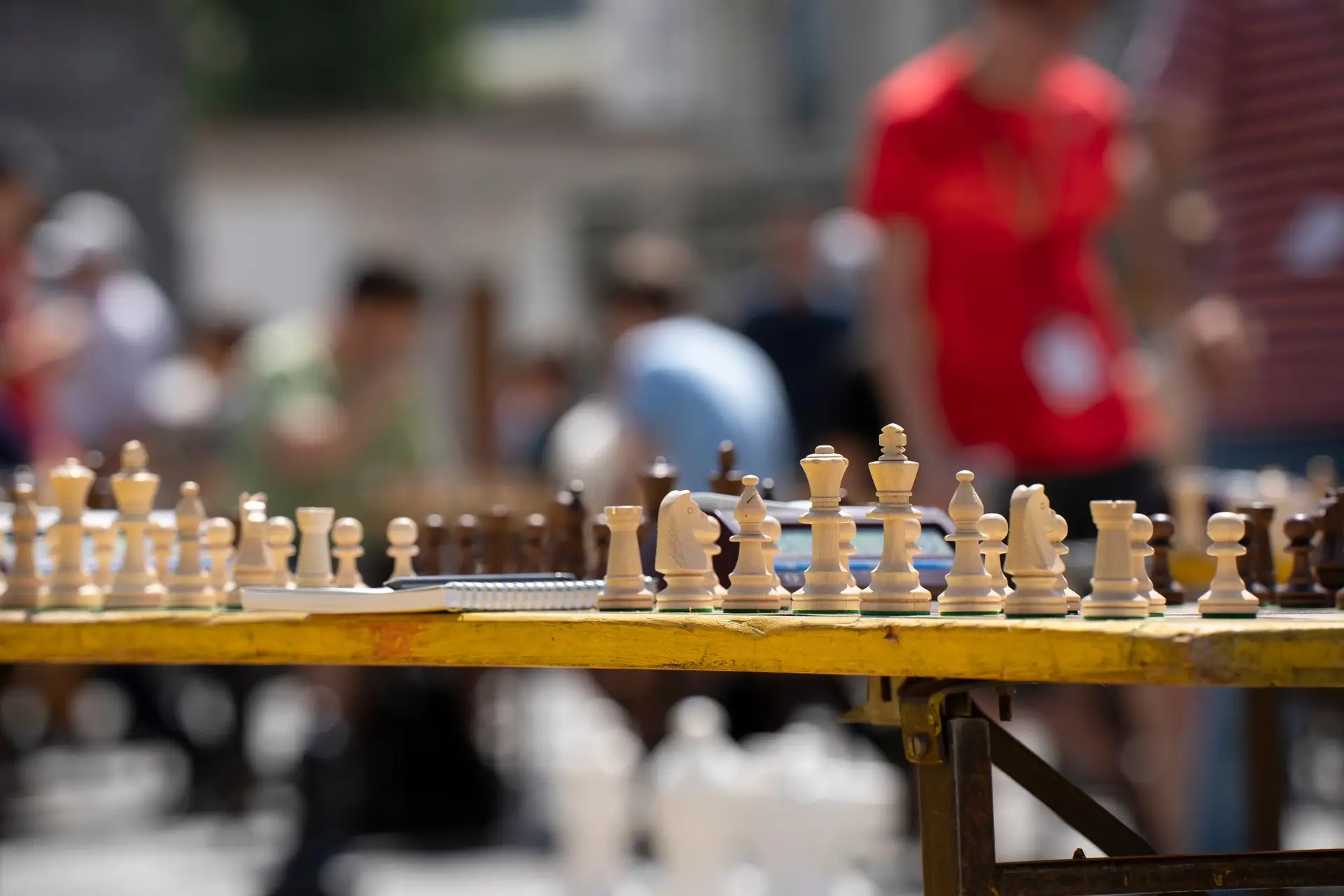
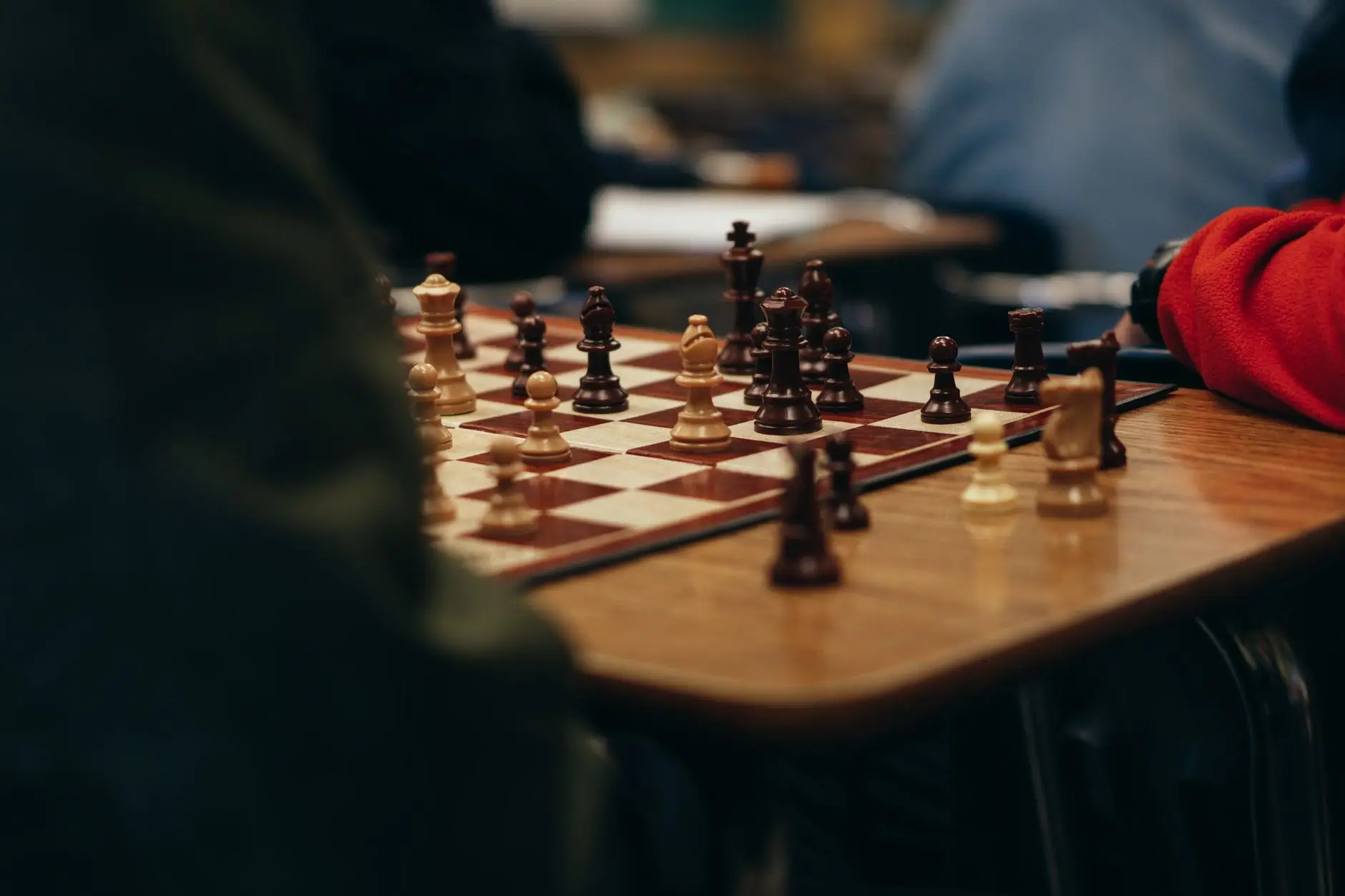
Weekly club night
Tuesday club night is the easiest entry point for a first visit and the most flexible session for regular members.
Pairings can be casual or more serious depending on the players involved. Members may choose a rapid game, a longer practice game or a short match with colours reversed. The final part of the evening is often used for quick analysis, tactical review or setting up a position that deserves a second look.
Thursday practice
The club’s training sessions are practical. We work through positions, candidate moves and member games rather than relying on long lectures.
Players receive a position, write down candidate moves and compare lines after a fixed thinking period. The goal is a repeatable process rather than a lucky tactic.
A member game is reviewed move by move around the critical turning points. Discussion focuses on decisions available at the board, not engine-style perfection.
Small-piece positions train technique, opposition, active king use, rook activity and the practical skill of converting or holding difficult endings.
Competition formats
Members can choose how far they want to push competitive chess. Events are organised so players know the time control, pairing method and purpose before play starts.
A compact multi-round session for clock discipline, tactical alertness and practical decision-making.
Longer games with recorded results and enough time for members to prepare, calculate and analyse seriously.
Team-based fixtures give members experience with board order, match responsibility and collective preparation.
Rapid play rewards practical judgement. Longer games expose calculation habits. Analysis sessions turn those experiences into patterns you can recognise again.
Before you attend
Clear routines keep the room fair and comfortable for everyone, particularly when several games are running at once.
Competitive sessions start on a schedule. Arriving early gives organisers time to confirm entries and explain the format.
Keep conversations away from active boards, silence unnecessary device alerts and avoid commenting on positions still in play.
Players are welcome to review games together once the result is recorded and both players have left competitive mode.